Tuesday, August 27, 2013

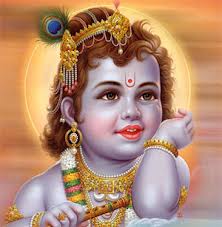
Shri krishna || Bal Gopal


Lord Krishna is one of the most loved and revered Gods in the Hindu religion. He is regarded as the eighth incarnation of Lord Vishnu born as human in Dwapur Yug (Iron Age). He was a Yaduvanshi and is said to have been born between 3200 and 3100 BC according to Indian and Western researchers. Lord Krishna was born as the eighth child of Devki and Vasudev but was brought up by Mata Yashoda and Baba Nand.


The word, Krishna means, one who is always in the transport of joy. It also means Black. Lord Krishna was named so because of his dark complexion.
Krishna is known by many other names according to the characteristics he had and the feats he accomplished. He is known as Makhan Chor as he was fond of makhan (butter) and used to steal it with his friends. The incident of lifting Govardhan Mountain to save the people from rain made him famous as Girdhari. Also known as Banwari - the one staying in the groves of Vrindavan.


Bal Leelas
Krishna also known as Bal Gopal, was a very famous and fearless child. His childhood has a number of stories that prove him to be very brave and also reveal his spiritual and divine powers. Most important among them are killing of the demoness Putana, sent by Kansa to kill infant Krishna by feeding him poisoned milk;Slaying of Kaliya Nag, the dreaded serpent etc.


Poorna Purushottam
Blessed with a number of skills, Lord Krishna is regarded as "Solah Kala Sampoorna and Poorna Purushottam. He acted as a teacher, protector, friend, guide and philosopher of Arjuna. He was an accomplished charioteer, a master flute player, giver of pleasure to cows, a romantic lover for Gopis besides possessing several other qualities.


Source of Inspiration for Artists, Painters and Philosophers

For centuries now, Lord Krishna has been the source of knowledge for humanity. His achievements are not restricted to followers of Hindu religion only. He has acted as an inspiration for all man-kind and the same is evident from the paintings of him that we see till date, spiritual talks taking place not only in India but all around the world. The Sri Krishna movement was started in the late 60s by ISKCON in the western countries. His reference can be found in literature, dance and music, sculptures, plays.


Role in Bhagawad Gita and Mahabharata
Lord Krishna played a very important role in Mahabharata (The epic battles fought in Kurukshetra between Pandavas and Kauravas) and Gita (Literally meaning 'Song of God', it contains teachings of Sri Krishna to his disciple Arjuna during Mahabharata). Lord Krishna's famous words karm kar phal ki chinta mat kar have been the basis of modern society.


Jai Shri Krishna


Radha kaise na jale


Madhuban Mein Jo Kanhaiya Kisi Gopi Se Mile
Kabhi Muskaaye, Kabhi Chhede, Kabhi Baat Kare
Radha Kaise Na Jale, Radha Kaise Na Jale
Aag Tan Mann Mein Lage
Radha Kaise Na Jale, Radha Kaise Na Jale

Madhuban Mein Bhale Kaanha Kisi Gopi Se Mile
Mann Mein To Radha Ke Hi Prem Ke Hain Phool Khile
Kis Liye Radha Jale, Kis Liye Radha Jale
Bina Soche Samjhe
Kis Liye Radha Jale, Kis Liye Radha Jale

O, Gopiyaan Taarein Hain, Chaand Hai Radha
Phir Kyoon Hai Usko Biswaas Aadha
O, Gopiyaan Taarein Hain, Chaand Hai Radha
Phir Kyoon Hai Usko Biswaas Aadha

Kaanhaji Ka Jo Sadaa Idhar Udhar Dhyaan Rahe
Radha Bechaari Ko Phir Apne Pe Kya Maan Rahe

Gopiyaan Aani Jaani Hain, Radha To Mann Ki Rani Hai
Saanjh Sakhaare, Jamna Kinaare
Radha Radha Hi Kaanha Pukaare

Oye Hoye, Oye Hoye
Baahon Ke Haar Jo Daale Koi Kaanha Ke Gale
Radha Kaise Na Jale, Radha Kaise Na Jale
Aag Tan Mann Mein Lage
Radha Kaise Na Jale, Radha Kaise Na Jale

Mann Mein Hai Radhe Ko Kaanha Jo Basaaye
To Kaanha Kaahe Ko Usse Na Bataaye
Prem Ki Apni Alag Boli, Alag Bhaasa Hai
Baat Nainon Se Ho Kaanha Ki Yahi Aasa Hai

Kaanha Ke Yeh Jo Naina Hain
Chheene Gopiyon Ke Chaina Hain
Kaanha Ke Yeh Jo Naina Hain
Chheene Gopiyon Ke Chaina Hain
Mili Najariya, Hui Baawariya
Gori Gori Si Koi Gujariya

Kaanha Ka Pyaar Kisi Gopi Ke Mann Mein Jo Pale
Kis Liye Radha Jale, Radha Jale, Radha Jale

Radha Kaise Na Jale
Kis Liye Radha Jale
Radha Kaise Na Jale

Kis Liye Radha Jale, Kis Liye Radha Jale
Radha Kaise Na Jale
Kis Liye Radha Jale, Kis Liye Radha Jale
Aah, Aah, Aah, Aah…
Radha Kaise Na Jale
Radha Kaise Na Jale
Radha Kaise Na Jale.


Saturday, August 17, 2013

Devprayag

Devprayag is a town and a nagar panchayat (municipality) in Tehri Garhwal district in the state of Uttarakhand, India, and is one of the Panch Prayag (five confluences) of Alaknanda River where Alaknanda and Bhagirathi rivers meet and take the name Ganga or Ganges River.
 

Traditionally, it is considered to be the place where sage Devasharma led his ascetic life, giving birth its present name, Devprayag. It is one of the five sacred confluences in the hills and is an important place of pilgrimage for devout Hindus.
 

"Devaprayaga" means "Godly Confluence" in Sanskrit. As per Hindu scriptures, Devaprayaga is the sacred event of merging two heavenly rivers, Alakananda and Bhagirathi, to form the holy Ganges.


Friday, August 16, 2013

Bharat Ka Rehne Wala Hoon

Jab Zero Diyaa Mere Bharat Ne
Duniyaan Ko Tab Ginatee Aayee
Taaron Kee Bhaashaa Bharat Ne
Duniyaan Ko Pahale Sikhalaayee
Detaa Naa Dashamal Bharat To

Yoo Chaand Pe Jaanaa Mushkil Thaa
Dharaatee Aaur Chaand Dooree Kaa
Andaajaa Lagaanaa Mushkil Thaa
Sabhyataa Jahaa Pahaale Aayee
Pahale Janamee Hain Jahaape Kalaa
Apanaa Bharat Wo Bharat Hai
Jis Ke Pichhe Sansaar Chalaa
Sansaar Chalaa Aaur Aage Badhaa

Yoo Aage Badhaa, Badhataa Hee Gayaa
Bhagawaan Kare Ye Aaur Badhe
Badhataa Hee Rahe Aaur Foole Fale

Hai Pareet Jahaa Kee Reet Sadaa
Main Geet Wahaa Ke Gaataa Hoon
Bharat Kaa Rahane Waalaa Hoon
Bharat Kee Baat Sunaataa Hoon

Kaale Gore Kaa Bhed Nahee
Har Dil Se Humaaraa Naataa Hai
Kuchh Aaur Naa Aataa Ho Hum Ko
Hume Pyaar Nibhaanaa Aataa Hai
Jise Maan Chookee Saaree Duniyaa
Main Baat Wahee Doharataa Hoon
Bharat Kaa Rahane Waalaa Hoon
Bharat Kee Baat Sunaataa Hoon

Jeete Ho Kisee Ne Desh To Kyaa
Hum Ne To Dilon Ko Jeetaa Hai
Jahaa Raam Abhee Tak Hain Nar Mein
Naaree Mein Abhee Tak Seetaa Hai
Kitane Paawan Hain Log Jahaa
Main Neet Neet Sheesh Jhookaataa Hoon
Bharat Kaa Rahane Waalaa Hoon
Bharat Kee Baat Sunaataa Hoon

Itanee Mamataa Nadiyon Ko Bhee
Jahaa Maataa Kah Ke Bulaate Hai
Itanaa Aadar Insaan To Kyaa
Patthar Bhee Pooje Jaate Hai
Us Dharatee Pe Maine Janam Liyaa
Yeh Soch Ke Main Itaraataa Hoon
Bharat Kaa Rahane Waalaa Hoon
Bharat Kee Baat Sunaataa Hoon


Sare jahan se accha hindostan hamara

Saare Jahan Se Achchha (Urdu:سارے جہاں سے اچھا), formal name: Tarana-e-Hindi (Urdu: ترانۂ ہندی "Anthem of the People of Hindustan"), is one of the enduring patriotic poems of the Urdu language. Written for children in the ghazal style of Urdu poetry by poet Muhammad Iqbal, the poem was published in the weekly journal Ittehad on 16 August 1904.[1] Recited by Iqbal the following year at Government College, Lahore, now in Pakistan, it quickly became an anthem of opposition to the British rule in India. The song, an ode to Hindustan—the land comprising present-day Bangladesh, India, and Pakistan—both celebrated and cherished the land even as it lamented its age-old anguish. As Tarana-e-Hindi, it was later published in 1924 in the Urdu book Bang-i-Dara.


Lyrics of Sare Jahan Se Acha :

sare jahan se accha hindostan hamara
ham bulbulain hai is ki, yeh gulsitan hamara

ghurbat men hon agar ham, rahta hai dil vatan men
samjho vahin hamen bhi, dil hain jahan hamara

parbat voh sab se uncha, hamsaya asman ka
voh santari hamara, voh pasban hamara

godi men khelti hain is ki hazaron nadiya
gulshan hai jin ke dam se, rashkejanan hamara

aye ab, raud, ganga, voh din hen yad tujhko
utara tere kinare, jab karvan hamara

mazhab nahin sikhata apas men bayr rakhna
hindvi hai ham, vatan hai hindostan hamara

yunanomisroroma, sab mit. gaye jahan se
ab tak magar hai baqi, namonishan hamara

kuch bat hai keh hasti, mit.ati nahin hamari
sadiyon raha hai dushman, daurezaman hamara

iqbal koi meharam, apna nahin jahan men
malum kya kisi ko, dardenihan hamara.

Thursday, August 15, 2013

Jana gaṇa mana in Different language

জন গণ মন (Bengali)Bengali romanizationNLK transliterationजन गण मन (Devanagari)
জনগণমন-অধিনায়ক জয় হে,
ভারতভাগ্যবিধাতা ।
পঞ্জাব সিন্ধু গুজরাত মরাঠা,
দ্রাবিড় উত্কল বঙ্গ ।
বিন্ধ্য হিমাচল যমুনা গঙ্গা,
উচ্ছলজলধিতরঙ্গ ।
তব শুভ নামে জাগে,
তব শুভ আশিষ মাগে,
গাহে তব জয়গাথা ।
জনগণমঙ্গলদায়ক জয় হে,
ভারতভাগ্যবিধাতা ।
জয় হে, জয় হে, জয় হে,
জয় জয় জয়, জয় হে ।।
Jônôgônômônô-odhinayôkô jôyô he
Bharôtôbhagyôbidhata
Pônjabô Sindhu Gujôratô Môraṭha
Drabiṛo Utkôlô Bônggô
Bindhyô Himachôlô Jômuna Gôngga
Uchhôlôjôlôdhitôrônggô
Tôbô shubhô name jage
Tôbô shubhô ashishô mange
Gahe tôbô jôyôgatha
Jônôgônômônggôlôdayôkô jôyô he
Bharôtôbhagyôbidhata
Jôyô he, jôyô he, jôyô he,
jôyô jôyô jôyô, jôyô he
Jana-gaṇa-mana adhināyaka jaya he
Bhārata bhāgya vidhātā
Pañjāba Sindh Gujarāṭa Marāṭhā
Drāviḍa Utkala Baṅga
Vindhya Himācala Yamunā Gaṅgā
Ucchala jaladhi taraṅga
Tava śubha nāme jāge
Tava śubha āśiṣa mānge
Gāhe tava jaya gāthā
Jana gaṇa maṅgala dāyaka jaya he
Bhārata bhāgya vidhāta
Jaya he, jaya he, jaya he
Jaya jaya jaya, jaya he
जन-गण-मन अधिनायक जय हे
भारत-भाग्य-विधाता ।
पंजाब सिंध गुजरात मराठा
द्राविड़ उत्कल बंग ।
विंध्य हिमाचल यमुना गंगा,
उच्छल-जलधि-तरंग ।
तव शुभ नामे जागे,
तव शुभ आशिष माँगे,
गाहे तव जय गाथा ।
जन-गण मंगलदायक जय हे,
भारत-भाग्य-विधाता ।
जय हे, जय हे, जय हे,
जय जय जय, जय हे ।।
ਜਨ ਗਣ ਮਨ (Punjabi)ജന ഗണ മന (Malayalam)జన గణ మన (Telugu)જન ગણ મન (Gujarati)جن گن من (Urdu)
ਜਨ ਗਣ ਮਨ ਅਧਿਨਾਅਕ ਜਯ ਹੇ
ਭਾਰਤ ਭਾਙ ਵਿਧਾਤਾ
ਪੰਜਾਬ ਸਿੰਧ ਗੁਜਰਾਤ ਮਰਾਠਾ
ਦ੍ਰਾਵਿੜ ਉਤਕਲ ਬੰਗ
ਵਿਨਧਯ ਹਿਮਾਚਲ ਯਮੁਨਾ ਗੰਗਾ
ਉੱਛਲ ਜਲਧਿ ਤਰੰਗਾ
ਤਵ ਸ਼ੁਭ ਨਾਮੇ ਜਾਗੇ
ਤਵ ਸ਼ੁਭ ਆਸ਼ਿਸ਼ ਮਾਗੇ
ਗਾਹੇ ਤਵ ਜਯ ਗਾਥਾ
ਜਨ ਗਣ ਮੰਗਲ ਦਾਅਕ ਜਯ ਹੇ
ਭਾਰਤ ਭਾਙ ਵਿਧਾਤਾ
ਜਯ ਹੇ ਜਯ ਹੇ ਜਯ ਹੇ
ਜਯ ਜਯ ਜਯ ਜਯ ਹੇ
ജന ഗണ മന അധിനായക ജയ ഹേ
ഭാരത ഭാഗ്യ വിധാതാ,
പഞ്ചാബ സിന്ധു ഗുജറാത്ത മറാഠാ
ദ്രാവിഡ ഉത്ക്കല ബംഗാ,
വിന്ധ്യ ഹിമാചല യമുനാ ഗംഗാ,
ഉച്ഛല ജലധി തരംഗാ,
തവ ശുഭ നാമേ ജാഗേ,
തവ ശുഭ ആശിഷ മാഗേ,
ഗാഹേ തവ ജയ ഗാഥാ,
ജന ഗണ മംഗല ദായക ജയ ഹേ
ഭാരത ഭാഗ്യ വിധാതാ.
ജയ ഹേ, ജയ ഹേ, ജയ ഹേ
ജയ ജയ ജയ ജയ ഹേ!
జన గణ మన అధినాయక జయహే
భారత భాగ్య విధాత
పంజాబ, సింధు, గుజరాత, మరాఠ
ద్రావిడ, ఉత్కళ, వంగ,
వింధ్య, హిమాచల, యమునా, గంగ,
ఉచ్ఛల జలధి తరంగ
తవ శుభ నామే జాగే,
తవశుభ ఆశిష మాగే;
గాహే తవజయ గాథ..
జన గణ మంగళ దాయక జయహే,
భారత భాగ్య విధాత,
జయహే, జయహే, జయహే,
జయ జయ జయ జయహే.
જન ગણ મન અધિનાયક જય હે
ભારત ભાગ્ય વિધાતા
પંજાબ સિંધુ ગુજરાત મરાઠા
દ્રાવિડ ઉત્કલ બંગ
વિંધ્ય હિમાચલ યમુના ગંગા
ઉચ્છલ જલધિ તરંગ
તવ શુભ નામે જાગે
તવ શુભ આશિષ માંગે
ગાહે તવ જય ગાથા
જન ગણ મંગલદાયક જય હે
ભારત ભાગ્ય વિધાતા
જય હે, જય હે, જય હે,
જય જય જય, જય હે
جن گن من ادھینایک جے ہے
بھارت بھاگیہ ودھاتا
پنجاب سندھ گجرات مراٹھا
دراوڑ اتکل بنگہ
وندھیہ ہماچل جمنا گنگا
اچھل جلدھی ترنگا
تو شبھ نامے جاگے
تو شبھ آشس ماگے
گاہے تو جے گاتھا
جن گن منگل دایک جے ہے
بھارت بھاگیہ ودھاتا
جے ہے جے ہے جے ہے
جے جے جے جے ہے
ஜன கன மன (Tamil)ಜನ ಗಣ ಮನ (Kannada)ଜନ ଗଣ ମନ (Odiya)
ஜன-கண-மன அதிநாயக ஜயகே
பாரத் பாக்ய விதாதா
பஞ்சாப சிந்து குஜராத மராத்தா
திராவிட உத்கல பங்க
விந்திய ஹிமாச்சல யமுனா கங்கா
உச்சல சலதி தரங்க
தவ சுபா நாமே சாகே
தவ சுபா ஆசிச மாகே
காகே தவ செயா காதா
சன கன மங்கள தாயக செயகே
பாரத் பாக்ய விதாதா
செயகே, செயகே, செயகே,
செய செய செய , செயகே.


ಜನ ಗಣ ಮನ ಅಧಿನಾಯಕ ಜಯ ಹೇ
ಭಾರತ ಭಾಗ್ಯ ವಿಧಾತಾ
ಪಂಜಾಬ ಸಿಂಧು ಗುಜರಾತ ಮರಾಥಾ
ದ್ರಾವಿಡ ಉತ್ಕಲ ಭಂಗ
ವಿಂಧ್ಯ ಹಿಮಾಚಲ ಯಮುನಾ ಗಂಗಾ
ಉಚ್ಛಲ ಜಲಧಿ ತರಂಗ
ತವ ಸುಭ ನಾಮೇ ಜಾಗೆ
ತವ ಸುಭ ಅಶಿಸ ಮಾಗೇ
ಗಾಹೇ ತವ ಜಯ ಗಾಥಾ
ಜನ ಗಣ ಮಂಗಳ ಧಾಯಕ ಜಯ ಹೇ
ಭಾರತ ಭಾಗ್ಯ ವಿಧಾತಾ
ಜಯ ಹೇ, ಜಯ ಹೇ, ಜಯ ಹೇ
ಜಯ ಜಯ ಜಯ, ಜಯ ಹೇ.
ଜନ ଗଣ ମନ ଅଧୀନାୟକ ଜୟ ହେ,
ଭାରତ ଭାଗ୍ୟ ବିଧାତା ।
ପଞ୍ଜାଵ ସିନ୍ଧୁ ଗୁଜରାଟ ମରାଠା,
ଦ୍ରାଵିଡ଼ ଉତ୍କଳ ବଙ୍ଗ ।
ବିନ୍ଧ୍ୟ ହିମାଚଳ ଯମୁନା ଗଙ୍ଗା,
ଉଚ୍ଛଳ ଜଳଧି ତରଙ୍ଗ ।
ତବ ଶୁଭ ନାମେ ଜାଗେ,
ତବ ଶୁଭ ଆଶିଷ ମାଗେ;
ଗାଏ ତଵ ଜୟ ଗାଥା ।
ଜନ ଗଣ ମଙ୍ଗଳଦାୟକ ଜୟ ହେ,
ଭାରତ ଭାଗ୍ୟ ବିଧାତା ।
ଜୟ ହେ ଜୟ ହେ ଜୟ ହେ ।
ଜୟ ଜୟ ଜୟ ଜୟ ହେ ॥


Share This